Section 1 of 7
The Procure-to-Pay Cycle
Materials Management (MM) in SAP covers everything from deciding you need something to paying for it. This end-to-end process is called Procure-to-Pay (P2P), and the purchase order sits at its centre.
The five steps of P2P
1. Purchase Requisition (PR)
Someone in the business decides they need goods or services. They create a Purchase Requisition — an internal request to the purchasing department. A PR is not sent to the vendor; it stays inside SAP.
Transaction: ME51N (create), ME52N (change), ME53N (display)
2. Purchase Order (PO)
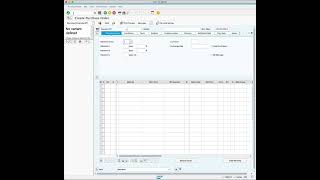
The purchasing team converts the PR into a Purchase Order — a legally binding document sent to the vendor. The PO specifies what to buy, at what price, by when, and where to deliver.
Transaction: ME21N (create), ME22N (change), ME23N (display)
3. Goods Receipt (GR)
When the vendor delivers, the warehouse posts a Goods Receipt in SAP. This records that the physical goods have arrived and updates inventory. It also creates a liability in FI (via an automatic posting) against the GR/IR clearing account.
Transaction: MIGO
4. Invoice Verification (IV)
When the vendor's invoice arrives, the AP team posts it in SAP and matches it against the PO and the goods receipt. This is called three-way matching: PO ↔ GR ↔ Invoice.
Transaction: MIRO
5. Payment
The AP payment run (F110) picks up the verified invoice and pays the vendor on the due date.
Key master data in MM
Before a purchase order can be created, certain master data must exist:
- Material Master — describes the goods being purchased (unit of measure, valuation class, etc.)
- Vendor Master / Business Partner — the supplier's details (payment terms, bank, address)
- Info Record — the price and conditions agreed between your company and the vendor for a specific material (ME11)
- Source List — which vendors are approved to supply a given material (ME01)
Not all of these are mandatory for every PO, but most companies require them for routine procurement.